
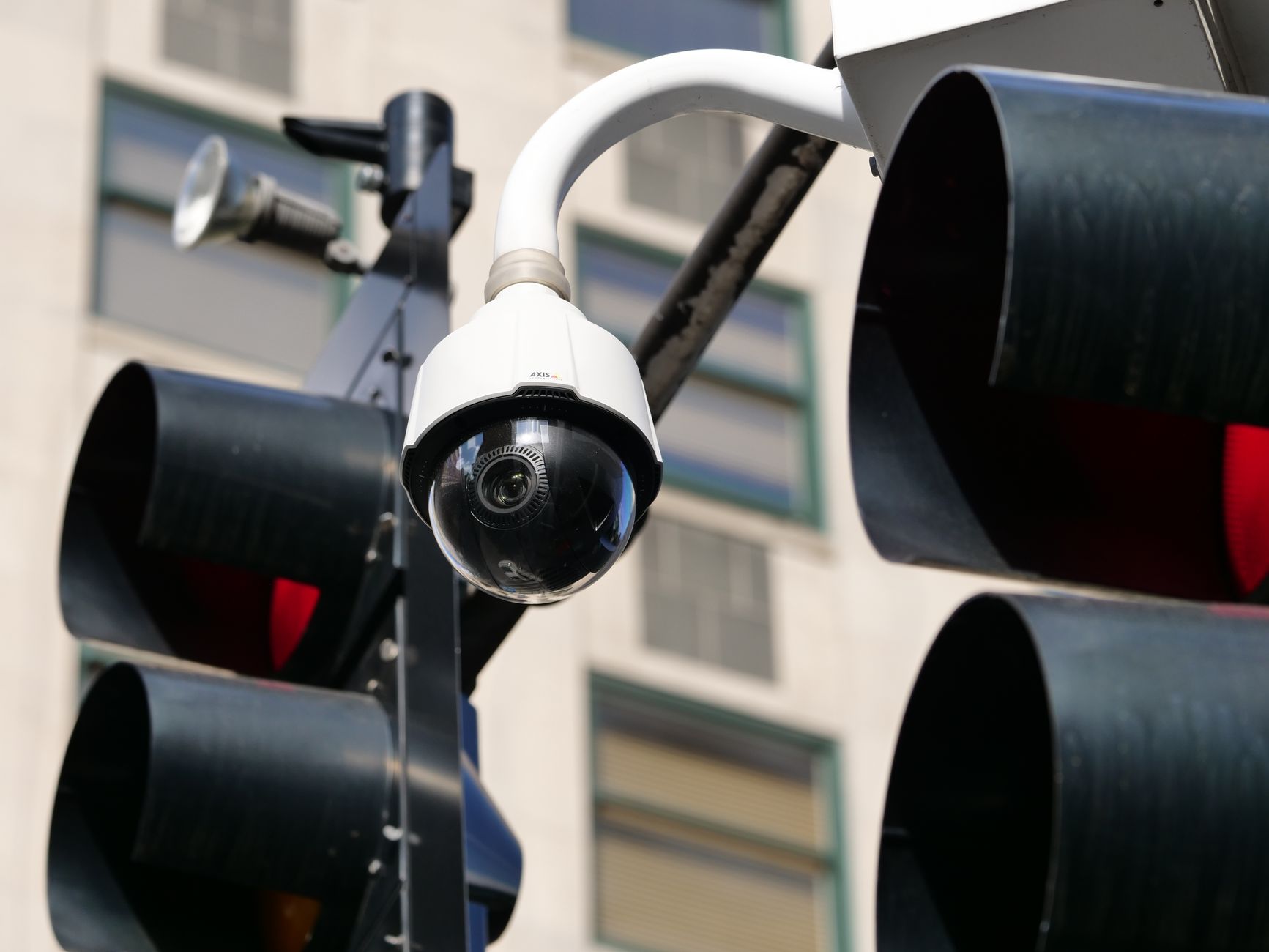
A Market Reshaping for Tomorrow's Industry
The Intelligent Traffic Management Systems market is undergoing a profound transformation right now. Advanced technologies and smart city modernization initiatives are pushing old, outdated systems aside.
Our analysis shows a powerful shift toward intelligent, connected solutions built to solve real urban challenges. This market is expanding at an impressive pace, growing from USD 4.2 Billion in 2025 to USD 8.9 Billion by 2035, with a solid 7.9% compound annual growth rate (CAGR) from 2026 to 2035.
This explosive growth is driven by rising investments in smart cities, rapid urbanization, and government funding across key regions worldwide. The transformation is real, and it is happening now.
Want Insights on the Intelligent Traffic Management Systems Market?
The market's expansion is clear across different primary segments:
**Intelligent Traffic Management Systems Market by Primary Segment, 2025–2035 (USD Billion)**
| Primary Segment | 2025 (USD Billion) | 2035 (USD Billion) |
|---|---|---|
| Segment A | 1.85 | 4.21 |
| Segment B | 1.02 | 2.84 |
| Segment C | 0.48 | 1.29 |
| Others | 0.85 | 0.56 |
| Total | USD 4.2 Billion | USD 8.9 Billion |
Source: Transport Industry Insights Analysis, 2026
Market consolidation continues as specialized technology capabilities separate winners from followers. Established players are maintaining strong revenue bases, while emerging high-growth subsegments are attracting massive capital investments and R&D spending.
Siemens AG
Siemens AG stands as a global powerhouse in intelligent transportation infrastructure. The company's comprehensive portfolio spans traffic signal control, adaptive traffic management software, and integrated mobility solutions serving cities across six continents.
Their strategy directly aligns with the autonomous vehicle ecosystem opportunity. Siemens is investing heavily in connected infrastructure platforms that enable vehicle-to-infrastructure communication, creating the digital backbone for tomorrow's smart cities and autonomous vehicle networks.
This positioning captures significant value throughout the forecast period. As cities worldwide adopt smart traffic systems to manage congestion and emissions, Siemens benefits from both new installations and long-term software licensing revenues, solidifying their market leadership through 2035.
Sources: siemens.com (newsroom, 2025/2026).
Cisco Systems, Inc.
Cisco Systems brings world-class networking and connectivity expertise to traffic management. The company supplies critical infrastructure for intelligent transportation networks, enabling real-time data transmission between traffic sensors, control centers, and connected vehicles.
Cisco's recent platform expansions focus on edge computing and 5G integration for traffic systems. Their strategy emphasizes cybersecurity and network resilience, essential as cities become more dependent on digital traffic infrastructure and autonomous vehicle connectivity.
Cisco captures value by providing the underlying network foundation that powers next-generation traffic systems. As urbanization accelerates across Asia-Pacific and Latin America, Cisco's networking solutions become indispensable infrastructure, driving sustained growth through the forecast period.
Sources: cisco.com (investor relations, 2026).
Kapsch TrafficCom AG
Kapsch TrafficCom specializes in end-to-end traffic management solutions and tolling systems. The company operates in over 50 countries, delivering software, hardware, and field services that optimize traffic flow and generate transportation revenue.
Kapsch is expanding its intelligent traffic management platform through AI-powered predictive analytics and real-time adaptive signal control. Their recent deployments in European and Asian smart cities showcase breakthrough capabilities in congestion reduction and emissions management.
Kapsch's competitive advantage lies in its integrated approach combining hardware, software, and services. Their multi-year contracts with major cities provide predictable revenue streams while positioning them to capture growth from government smart city initiatives that continue accelerating through 2035.
Sources: kapsch.net (newsroom, 2025).
"Today marks a transformative moment for urban mobility. Our intelligent systems enable cities to reduce congestion by up to 25 percent while cutting emissions significantly. This is the future of transportation."
Cubic Corporation
Cubic Corporation delivers payment systems, traffic management software, and integrated mobility solutions for urban transportation. The company operates across North America, Europe, and Asia-Pacific, serving transit agencies and city governments.
Cubic recently launched its next-generation adaptive traffic control platform featuring machine learning algorithms that optimize signal timing in real-time. This breakthrough reduces wait times, improves traffic flow, and enables seamless integration with autonomous vehicle systems.
Cubic functions as a critical technology enabler across urban transportation ecosystems. Their role in connecting payment systems, traffic control, and vehicle data positions them perfectly to capture value from the connected autonomous vehicle opportunity, which is projected to drive significant growth from 2027 onward.
Sources: cubic.com (newsroom, 2026).
Thales Group
Thales Group brings advanced electronics and digital systems expertise to intelligent transportation. The company develops command and control centers, traffic monitoring software, and integrated security solutions for urban traffic management.
Thales is commercializing next-generation traffic prediction systems using artificial intelligence and real-time sensor networks. Their field trials across major European cities demonstrate significant improvements in traffic safety, efficiency, and emergency response coordination.
Thales creates a powerful competitive moat through proprietary AI algorithms and deep integration with city infrastructure. As governments worldwide prioritize smart city investments and connected mobility, Thales captures sustained value through software licensing, system upgrades, and long-term service contracts extending through 2035.
Sources: thalesgroup.com (newsroom, 2026).
Market Drivers Accelerating Growth
Rapid Urbanization and Population Growth fuels market expansion with a positive impact of 2.8 percent. Cities globally are adding millions of residents annually, creating urgent traffic congestion challenges that demand intelligent management solutions.
Government Smart City Initiatives provide direct funding and policy support, particularly across Asia-Pacific and Latin America. This driver adds 2.3 percent growth impact as public investment in connected infrastructure accelerates through 2030.
Key Market Restraints
Lack of Skilled Professionals remains a significant challenge across Asia-Pacific, Latin America, and Middle East & Africa regions. This restraint reduces growth by 1.4 percent through 2030, as cities struggle to deploy and maintain complex traffic management systems without adequate technical expertise.
The Connected Vehicle Opportunity
The Connected and Autonomous Vehicle Ecosystem represents the biggest long-term opportunity, adding 2.1 percent growth impact from 2027 to 2035. As autonomous vehicles scale up, they require sophisticated traffic management systems that communicate in real-time, creating massive demand for intelligent infrastructure.
North America, Europe, and Asia-Pacific lead this transformation, with billions in investment flowing toward vehicle-to-infrastructure technology development and deployment.
Article Tags: Intelligent Traffic Management · Smart Cities · Market Forecast · Transportation Technology · Autonomous Vehicles
Suggested Featured Image: Professional high-resolution editorial photograph representing advanced intelligent traffic management systems and smart city infrastructure in action
Image Alt Text: Intelligent Traffic Management Systems market landscape showing connected infrastructure, smart signals, and autonomous vehicle integration